for Financial Freedom!
Do It Yourself
A to Z Guide to Building a Professional NEMT Company.
We Help You
Start NEMT Busines and Secure Your Future in Medical Transportation.
Business in The Box
Complete Design Toolkit – huge collection of elements, rich customization
Meet Our Expert Dynamic Team
At NEMT Permit, we're here to support you to unlock your path to financial success with expert licensing assistance! Start your road to millions with our trusted licensing experts! We simplify the licensing process, guiding you step by step to launch a business that's not just profitable but life-changing.
Licensing & Compliance
Management
Business Setup &
Entity Formation
We are Building Business Together
Consultation and Advice
We provide detailed information about state and federal regulations, Medicaid requirements, and local licensing rules.
Application Assistance
We provide detailed information about state and federal regulations, Medicaid requirements, and local licensing rules.
Vehicle & Driver Compliance
We ensure that your vehicles and drivers meet all safety, insurance, and certification requirements.
Medicaid Provider Enrollment
We guide you through the process of becoming a Medicaid-certified NEMT provider, including documentation and inspections.
Business Setup
We can also assist with setting up your business entity (LLC , corporation, etc.) and handling tax-related issues.
Consultation and Advice
We provide detailed information about state and federal regulations, Medicaid requirements, and local licensing rules.
Read MoreApplication Assistance
Application Assistance We provide detailed information about state and federal regulations, Medicaid requirements, and local licensing rules.
Read MoreVehicle & Driver Compliance
Vehicle & Driver Compliance We ensure that your vehicles and drivers meet all safety, insurance, and certification requirements.
Read MoreMedicaid Provider Enrollment
Medicaid Provider Enrollment We guide you through the process of becoming a Medicaid-certified NEMT provider, including documentation and inspections.
Read MoreBusiness Setup
Business Setup We can also assist with setting up your business entity (LLC , corporation, etc.) and handling tax-related issues.
Read MoreLooking for collaboration? Send an email to support@bigzen.com to for available for enquiries and collaborations
Start a private group video call.
Meet Our Global Experts
Sarah Charlotte
Michael Richard
Hannah Victoria
William Thomas
Earn Money with NEMT
Earnings for a Non-Emergency Medical Transportation (NEMT) business vary based on location, operation size, services offered, and clientele (e.g., Medicaid patients, private clients, or contracts with hospitals). Here’s a breakdown of potential earnings and factors influencing profitability
- Revenue Sources
- Average Income Per Trip
- Monthly or Annual Revenue
- Profit Margins
- Influence Earnings
NEMT businesses can generate revenue from multiple sources, including:
Medicaid Reimbursements
Many NEMT providers contract with Medicaid, which reimburses for transportation services provided to eligible patients.
Private Pay Clients
Some clients pay out-of-pocket for NEMT services, often at a higher rate than Medicaid reimbursements.
Contracts with Healthcare
NEMT providers can secure contracts with hospitals, nursing homes , dialysis centers, and rehabilitation centers for regular transportation services.
Insurance Companies:
In some cases, private insurance may cover NEMT services, especially for patients undergoing long-term treatments.
The earnings per trip depend on factors like distance, client type (Medicaid vs. private), and the level of service provided (e.g., wheelchair transport vs. regular transport). Here are some estimated earnings:
Medicaid Trips
Medicaid reimbursement rates typically range from $15 to $60 per trip, depending on the state and the distance traveled. Longer trips or trips requiring specialized vehicles can earn more.
Private Pay Trips
For private pay clients, the rates can be significantly higher, often ranging from $50 to $150 per trip, depending on distance, type of transport, and location.
The total revenue for an NEMT business will depend on the volume of trips, the number of vehicles in operation, and the types of clients served. Here’s an example breakdown:
Small Operation
A small NEMT business with 1-2 vehicles might complete 3-5 trips per day per vehicle. Assuming an average of $30 per trip (Medicaid rates), this would equate to:
- Daily Revenue:Â $90 – $150 per vehicle
Monthly - Revenue: $2,700 – $4,500 per vehicle (based on 30 working days)
- Annual Revenue: $32,400 – $54,000 per vehicle
Medium Operation
A medium-sized business with 5-10 vehicles operating 5-10 trips per day could potentially earn:
- Daily Revenue:Â $750 – $1,500
- Monthly Revenue:Â $22,500 – $45,000
- Annual Revenue: $270,000 – $540,000
Large Operation
A large-scale NEMT operation with a fleet of 20 or more vehicles and higher daily trip volume (10+ trips per day per vehicle) might generate:
- Daily Revenue:Â $3,000 – $6,000
- Monthly Revenue:Â $90,000 – $180,000
- Annual Revenue:Â $1.08 million – $2.16 million
Profit margins in the NEMT business can vary, but typically range between 10% and 30%. The main expenses that impact profitability include:
Vehicle Purchase and Maintenance
Buying and maintaining vehicles (including specialized equipment like wheelchair lifts) is a significant ongoing cost.
Insurance
Commercial auto insurance and liability insurance can be expensive, particularly for larger operations.
Driver Wages
Driver salaries or wages are a major expense, particularly in competitive labor markets.
Fuel and Operating Costs
Fuel, dispatching software, GPS systems, and general operating costs can also impact margins.
Licensing and Compliance
Costs for maintaining licenses, certifications, and adhering to safety standards can vary by state.
For example, if a medium-sized NEMT business generates $300,000 in annual revenue and maintains a 20% profit margin, the net profit would be approximately $60,000 annually.
Location
NEMT businesses in urban areas with higher population densities and more healthcare facilities may have higher trip volumes and more consistent revenue.
Client Base
Serving Medicaid clients typically results in lower reimbursement rates compared to private pay clients or contracted services, but it provides a steady stream of customers.
Service Offering
Specialized services (e.g., wheelchair vans, long-distance transport) can command higher rates and increase profitability.
Efficiency
Effective dispatching, route optimization, and vehicle utilization can increase the number of trips per day, boosting revenue.
Contractual Agreements
Long-term contracts with healthcare facilities or insurance companies can provide steady income and greater financial stability.
Summary of Potential Earnings
Small Business
$30,000 – $100,000 per year, depending on the number of vehicles and trip volume.
Medium Business
$100,000 – $500,000+ per year, with multiple vehicles and a diversified client base.
Large Business
$1 million+ per year for operations with larger fleets and contracts with healthcare providers or Medicaid.
While NEMT businesses can be highly profitable, success depends on effectively managing operational costs, maximizing trip volume, and securing steady clients such as Medicaid or long-term contracts with healthcare facilities.
NEMT Vehicle Fleet
Non-Emergency Medical Transportation (NEMT) services provide essential transportation for individuals needing medical appointments without requiring emergency care. Various NEMT services are available to meet different patient needs and medical conditions. Here’s a quick overview:

Wheelchair
Transportation
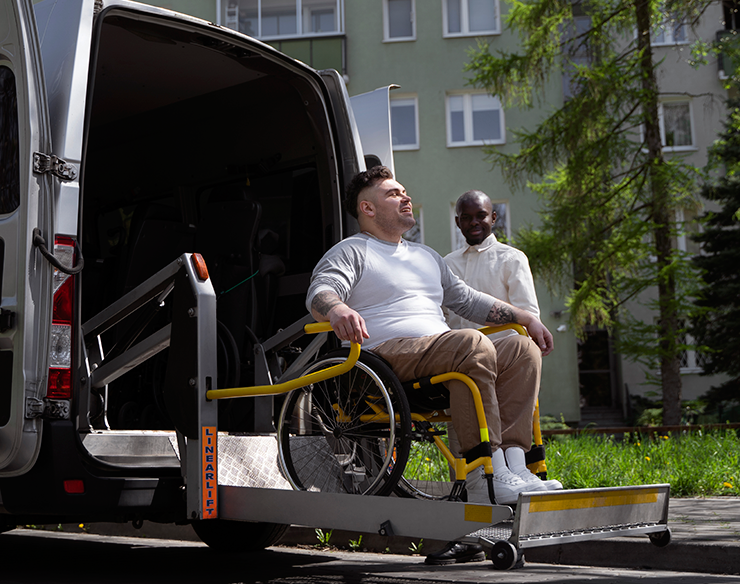
Designed for individuals who are unable to walk but do not need to be on a stretcher. The service accommodates patients in wheelchairs, ensuring they can be transported safely. Vehicles Used Wheelchair-accessible vans with lifts or ramps. Example User Individuals with mobility challenges, the elderly, or those recovering from surgery or illness.

Stretcher
Transportation
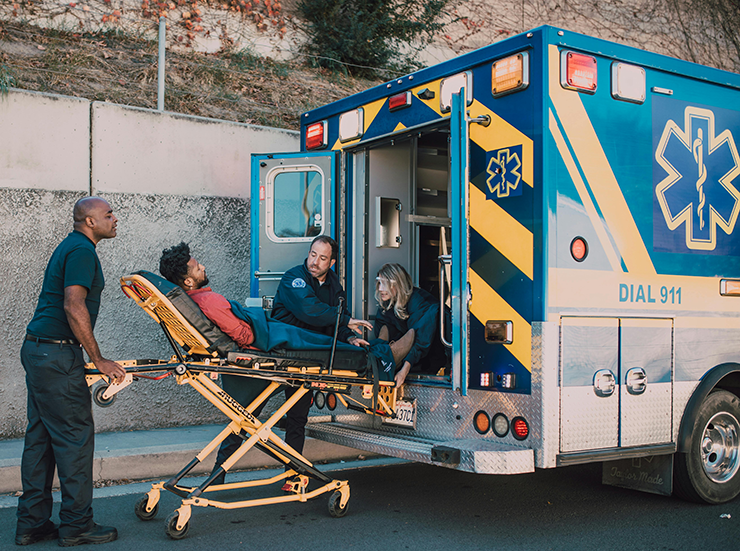
For patients who are bedridden or unable to sit upright for medical reasons. These services provide stretchers and are used for non-emergency situations. Vehicles Used Specially equipped vans or small ambulances with stretcher facilities. Example User Patients recovering from surgery, individuals with severe back pain or paralysis, or those who need to remain lying down.

Bariatric
Transportation
Tailored for patients who are significantly overweight or obese and require specialized equipment to ensure their safety and comfort during transport. Vehicles Used Specially equipped vehicles with reinforced ramps, larger spaces, and bariatric wheelchairs or stretchers. Example User Bariatric patients who need transportation to medical facilities or appointments.

Curb-to-Curb
Service
The driver picks up and drops off the passenger at the curb, meaning there is minimal assistance provided. This is typically for ambulatory passengers who don’t need much help. Vehicles Used Standard cars or accessible vans. Example User Patients who can walk with little to no assistance.
Ambulatory
This service is for patients who can walk on their own or with minimal assistance. They don’t require any specialized medical equipment or care during transport.
Vehicles Used
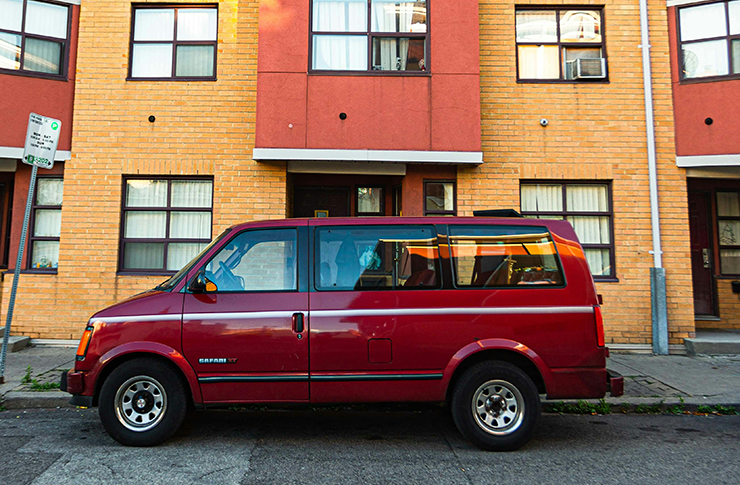
Standard cars, Sedans, or Vans.
Example User
Patients going to routine doctor visits, follow-up appointments, physical therapy, or regular treatments like dialysis.
Wheelchair
Designed for individuals who are unable to walk but do not need to be on a stretcher. The service accommodates patients in wheelchairs, ensuring they can be transported safely.
Vehicles Used
Wheelchair-accessible vans with lifts or ramps.
Example User
Individuals with mobility challenges, the elderly, or those recovering from surgery or illness.
Stretcher
For patients who are bedridden or unable to sit upright for medical reasons. These services provide stretchers and are used for non-emergency situations.
Vehicles Used
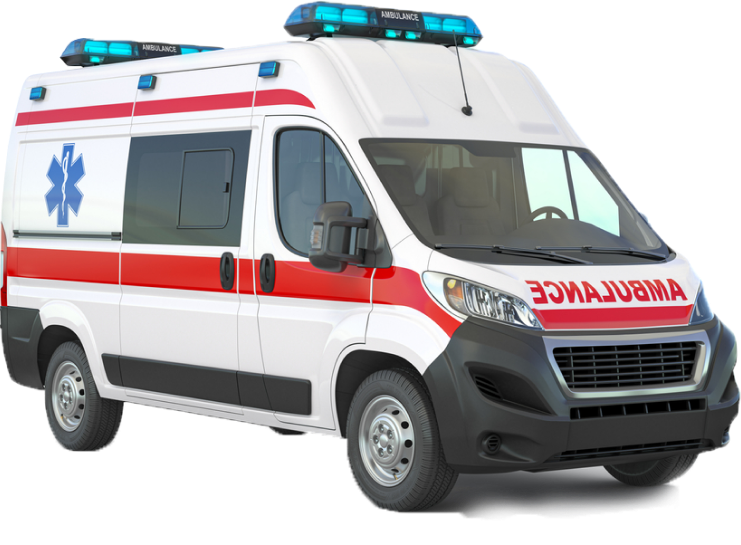
Specially equipped vans or small ambulances with stretcher facilities.
Example User
Patients recovering from surgery, individuals with severe back pain or paralysis, or those who need to remain lying down.
Air Medical Transport
For patients who require long-distance transportation for medical appointments or procedures, often across state lines or to specialized care centers.
Vehicles Used
Aircraft equipped for patient transport, such as planes or helicopters.
Example User
Patients who need to travel long distances for medical care but do not require emergency services.

Long-Distance NEMT
This service is for patients who need transportation across longer distances, such as between cities or even states. These trips may require extra comfort, stops, or special accommodations.
Vehicles Used
Cars, vans, or stretcher vehicles, depending on the patient's needs.
Example User
Patients who need specialized treatments in other locations or are relocating to be closer to medical care.
Bariatric
Tailored for patients who are significantly overweight or obese and require specialized equipment to ensure their safety and comfort during transport.
Vehicles Used
Specially equipped vehicles with reinforced ramps, larger spaces, and bariatric wheelchairs or stretchers.
Example User
Bariatric patients who need transportation to medical facilities or appointments.
Curb-to-Curb
The driver picks up and drops off the passenger at the curb, meaning there is minimal assistance provided. This is typically for ambulatory passengers who don’t need much help.
Vehicles Used
Standard cars or accessible vans.
Example User
Patients who can walk with little to no assistance.

Door-to-Door
The driver assists the patient from their door to the vehicle and from the vehicle to the medical facility entrance. This service provides more assistance than curb-to-curb but does not involve going inside the home.
Vehicles Used
Cars, vans, or wheelchair-accessible vehicles.
Example User
Elderly patients or individuals with mobility issues who need help getting to the vehicle but don’t require medical equipment.

Door-through-Door
For patients who need extra help, the driver or a trained attendant helps the patient from inside their home and assists them all the way to their appointment, and vice versa.
Vehicles Used
Depending on the patient’s mobility, this can involve standard vehicles, wheelchair-accessible vans, or stretcher vehicles.
Example User
Patients with severe mobility issues, the elderly, or those needing a higher level of assistance.

Escort
This service is for patients who need someone to accompany them to and from medical appointments, typically in addition to the transportation service. The escort can assist with communication, mobility, or personal needs.
Vehicles Used
Varies based on patient needs, from cars to accessible vans.
Example User
Elderly patients, individuals with cognitive impairments, or those with complex medical needs.
Try it today and experience the difference!
Build your career with a Free 30-minute consultation and discover how we can meet your needs effortlessly
30 Mins Free ConsultationWho Uses NEMT



Some common questions about NEMT services!
NEMT stands for Non-Emergency Medical Transportation. It is a service that provides transportation for individuals who need to get to medical appointments or facilities but do not require emergency care. These services are essential for patients who face mobility, health, or financial barriers that prevent them from using standard transportation options.
Generally, NEMT services are available for people who have difficulty getting to medical appointments due to health conditions, disabilities, or lack of access to reliable transportation. Many services are covered for Medicaid or Medicare recipients, seniors, and patients with chronic medical conditions or disabilities.
NEMT offers various types of transportation depending on the patient’s needs:
- Ambulatory vehicles for patients who can walk.
- Wheelchair-accessible vans for those who use wheelchairs.
- Stretcher vehicles for patients who must lie down.
- Bariatric vehicles for patients requiring additional space or support.
- Long-distance and air transport for specialized medical needs.
Scheduling NEMT services usually involves contacting your NEMT provider or transportation coordinator, which can be arranged through Medicaid, a healthcare provider, or a private NEMT company. You will typically need to provide the details of your medical appointment, pickup location, and any special needs (like wheelchair access).
In many cases, NEMT services are covered by Medicaid and sometimes by Medicare Advantage plans. The coverage varies by state and insurance provider. Some private insurance plans may also cover NEMT. It’s essential to check with your insurance provider to confirm coverage and eligibility.
Your Company
Explore our stories & insights
NEMT Insurance Costs: 5 Secrets to Lowering Your Premiums
How to Start an NEMT Business in 2026: The Complete Checklist
Expert Licensing Support That Accelerates Your Business
We provide complete licensing and compliance support for healthcare and regulated businesses. From market research and documentation to application filing and approvals, our experts manage the entire process with accuracy and speed.
500+ Licenses Approved
Successfully processed across multiple states and industries.
300+ Businesses Launched
Helping entrepreneurs and organizations go live faster and compliantly.